From California Sunshine to Swedish Snow: My Secret to a Garden That Keeps on Giving

What happens when a landscape architect who has gardened in California for decades moves to Sweden? You discover that the secret to a beautiful garden isn't a longer growing season. It's better planning.
After more than 30 years of designing gardens, I thought I knew a thing or two about plants. Then I moved from Southern California's Mediterranean climate to Sweden's colder Nordic climate, and my garden education began all over again.
I went from a nearly 12-month growing season to roughly six months of active growth. In California, there was always something happening in the garden. In Sweden, spring seemed to take its time arriving, summer rushed by, and winter could feel endless.
But the biggest surprise? Many of the plants I had grown in Southern California could also thrive in Sweden. They simply behaved differently. Flowering times shifted, growth slowed, and plants that had seemed effortless in one climate needed a little more attention in the other.
I quickly realized that if I wanted the biggest bang for my gardening buck, I needed to think differently.
My secret? Succession garden design.
A garden that changes with the seasons
Rather than choosing plants that all flower at once, I design with the entire growing season in mind. I want plants to take turns in the spotlight, creating a garden that evolves in color, texture, and atmosphere from spring through autumn.
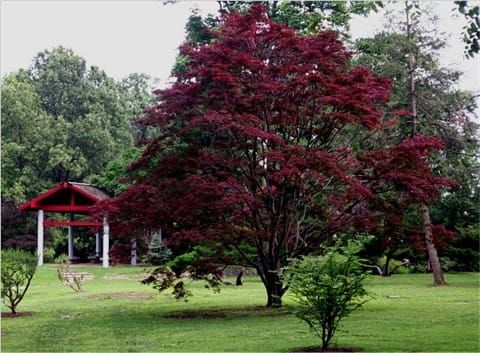
In spring, I love the softer palette of daffodils, emerging foliage, and fresh green growth. Summer brings richer colors, along with fragrant lavender, roses, and pollinator-friendly flowers. By autumn, ornamental grasses, seedheads, and russet foliage create a final burst of drama before winter settles in.
And winter? I've learned to appreciate it, too. Frost turns ordinary grasses into sculptures, evergreens provide structure, and snow can insulate the soil and protect plant roots.
Instead of expecting one season to do all the work, I let each season contribute something unique.
The result is a garden that feels alive longer, even when the growing season is short.
Plants that can bridge two very different climates
What can you plant in both Southern California and Sweden? The answer depends on your specific location, soil, water availability, and winter temperatures. Not every plant or cultivar will thrive everywhere, but these are useful candidates to consider.
Spring — soft colors and fresh beginnings
- Daffodils (Narcissus): Reliable spring color and an excellent choice where winters are cold.
- Alliums (Allium): Architectural flower globes that carry the garden from spring into summer.
- Lilacs (Syringa): Fragrant flowers and beautiful structure, especially in climates with sufficient winter chill.
Summer — color, fragrance, and pollinators
- English lavender (Lavandula angustifolia): Fragrant, drought-tolerant, and beautiful with silvery foliage. Excellent drainage is essential in Sweden.
- Hardy salvias (Salvia nemorosa): Purple and blue flower spikes that attract pollinators.
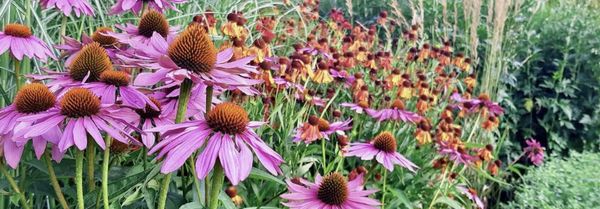
- Coneflowers (Echinacea purpurea): Long-lasting flowers and seedheads that can provide food for birds.
- Hardy shrub roses (Rosa): Choose varieties suited to your local winter conditions.
- Catmint (Nepeta): Soft blue-purple flowers that create a relaxed, flowing effect.
Autumn — a final flourish
- Yarrow (Achillea millefolium): Flat flower clusters, attractive foliage, and pollinator value.
- Stonecrop (Hylotelephium): Succulent foliage and flowerheads that provide late-season interest.
- Ornamental grasses: Hardy varieties add movement, height, and winter structure.
And don't forget the edible garden
- Thyme (Thymus vulgaris): Aromatic foliage for the garden and kitchen.
- Chives (Allium schoenoprasum): Pretty flowers, edible leaves, and dependable perennial growth.
- Oregano (Origanum vulgare): A useful culinary herb with flowers that attract pollinators.
The real secret? Plan before you plant
Moving between two climates taught me that successful garden design isn't just about knowing which plants are beautiful. It's about understanding how they grow, what they need, and how they work together throughout the year.
Before buying plants, consider three essentials: sun, soil, and water. Then consider mature plant size, flowering time, winter hardiness, and what will happen in the garden after each plant finishes blooming.
Careful planning can save you money, reduce frustration, and help you create a garden that feels intentional rather than a collection of impulse purchases.
If you'd like help visualizing your ideas, try the Flourish Garden App, which I helped create. It lets you experiment with plant combinations, plan your garden, and visualize your design before you start digging. Whether you use the app, a sketchbook, or a simple drawing, the important thing is to have a plan.
After all these years, I still believe that great gardens begin with thoughtful design—but they become truly special when we observe, experiment, and learn from nature.
You may not be able to extend the Swedish summer, but you can make every growing season count. That's a lesson worth bringing home, wherever your garden is.