Plant Now, Dream of Spring: How to design a beautiful Spring Garden

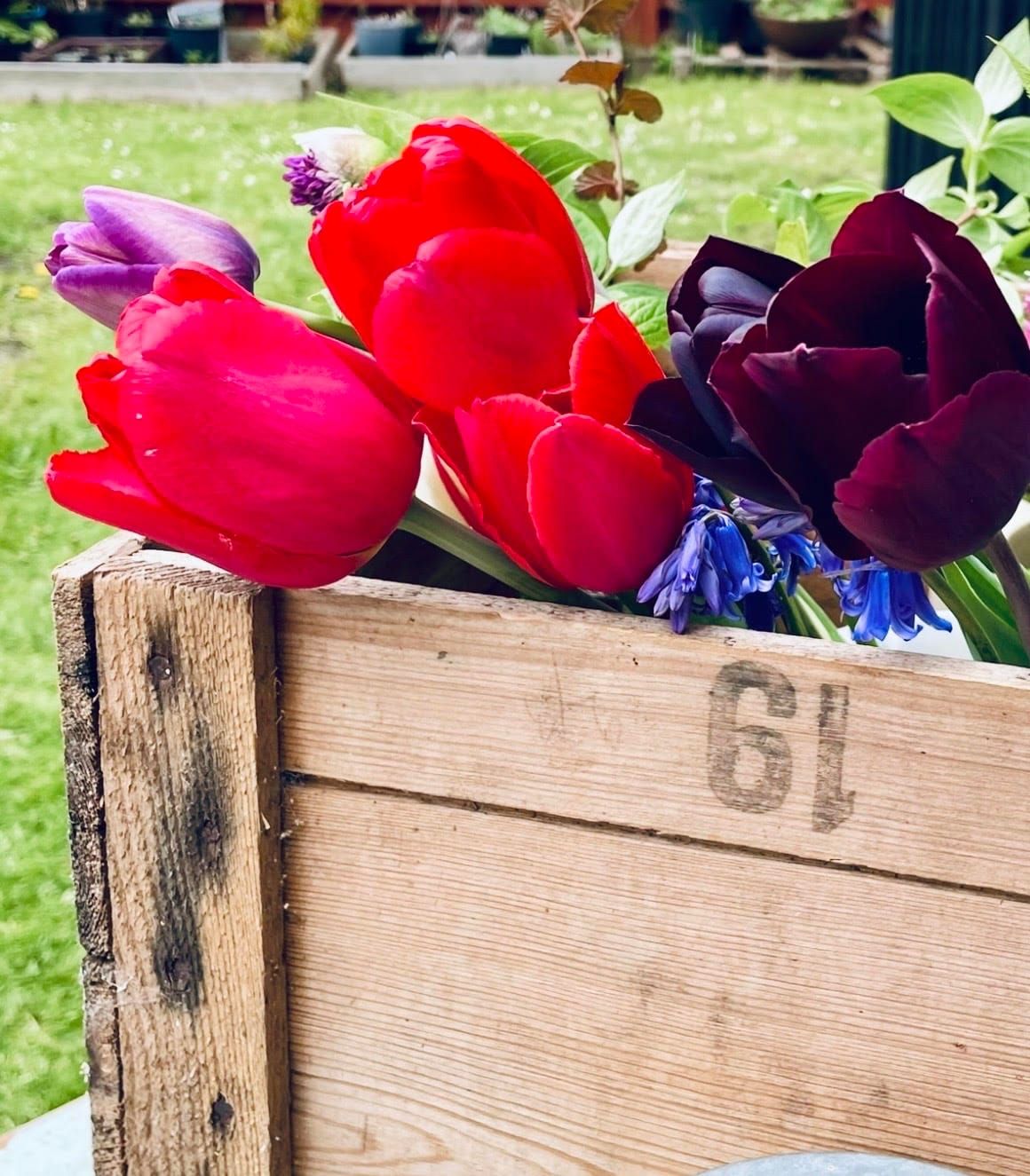
“The beautiful reward of spring bulbs is that they require an act of faith in the autumn.” — Michael Dirr
Every spring, gardens burst into life with daffodils, hyacinths, crocuses, and grape hyacinths, transforming winter-weary landscapes into vibrant celebrations of the season.
But here's the secret: beautiful spring gardens begin with a plan in autumn.
This year, I may have taken my enthusiasm a bit too far. I ordered 1,000 spring bulbs.
Yes, 1,000.
As a landscape architect, I often advise people to tackle one manageable garden project at a time. Apparently, I occasionally need to heed my own advice!
But behind my ambitious order is a vision for next spring. Here are six design principles to help you create your own spring display.
1. Start With a Vision, not a Shopping Cart
Before buying bulbs, imagine what you want to experience next spring.
Cheerful daffodils lining a pathway? A carpet of blue grape hyacinths under flowering trees? Or colorful drifts woven through perennial borders?
Consider where you'll enjoy the flowers, the available sunlight, and how the planting fits into your overall garden design.
Design tip: Focus on a single planting area. A concentrated display often makes a stronger impression than bulbs planted throughout the garden.
2. Plant in Groups, Not Straight Lines
Unless you're designing a formal garden, avoid rigid rows and evenly spaced patterns.
Instead, create irregular drifts that flow naturally through your planting areas. Repeat bulb varieties to create rhythm and visual harmony.
For smaller spaces, groups of five, seven, or nine work beautifully. In larger gardens, think in generous sweeps of dozens.
Design tip: Vary the size and shape of your groupings while repeating colors and varieties for a cohesive, naturalistic effect.
3. Think in Layers
Combine bulbs of different heights and flowering periods to extend the spring display.
- Crocuses: Low-growing flowers that bring some of the earliest spring color.
- Grape hyacinths (Muscari): Blue or purple flowers that create beautiful carpets beneath taller bulbs.
- Daffodils (Narcissus): Taller blooms that add structure, movement, and cheerful color.
- Hyacinths: Fragrant flowers ideal for pathways, entrances, and seating areas.
Choose varieties suited to your climate and check their flowering times.
Design tip: Aim for a succession of blooms rather than one spectacular week followed by an empty garden.
4. Plan for What Happens After the Flowers Fade
Spring bulbs are spectacular, but their display is temporary. What comes next?
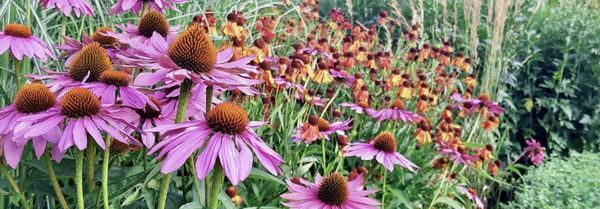
Combine bulbs with emerging perennials such as hardy geraniums, echinacea, hostas, or daylilies. As the bulb foliage matures, surrounding plants fill the space, creating a seamless transition into summer.
Allow bulb leaves to yellow naturally before removing them. Their foliage replenishes energy for future flowering.
Design tip: A successful garden isn't designed for one season. It evolves throughout the year.
5. Plant for Success
Most spring-flowering bulbs are planted in autumn, giving them time to establish roots before winter.
A few essentials:
- Plant when the soil has cooled, according to your climate and bulb variety.
- Choose suitable sunlight and well-drained soil.
- Follow recommended planting depths, generally two to three times the bulb's height.
- Position bulbs with their growing points upward when identifiable.
- Water if the soil is dry, but avoid waterlogged conditions.
Always check your climate. Gardening conditions vary widely. What thrives in Southern California may require a completely different approach in Sweden.
Design tip: Work with your climate, not against it.
6. Don't Take on More Than You Can Handle
Which brings me back to those 1,000 bulbs.
It's easy to get carried away by the promise of a beautiful garden. Believe me, I understand!
But you don't need to transform your entire garden in one weekend.
Choose one project. Make a plan. Complete it. Then give nature time to work its magic.
Gardening is a process, not a race.
Design Your Spring Garden with Flourish Garden
Before putting a spade into the ground, visualize your planting area.
With the Flourish Garden app, you can create planting spaces, experiment with plant arrangements, and explore your design in 2D and 3D.
A little planning today can make all the difference when spring arrives.
If you want more fun garden tips and stories, check out my IG account, zona_flourish.garden
Plan it. Plant it. Patience.