Three things to consider before you plant your new tree

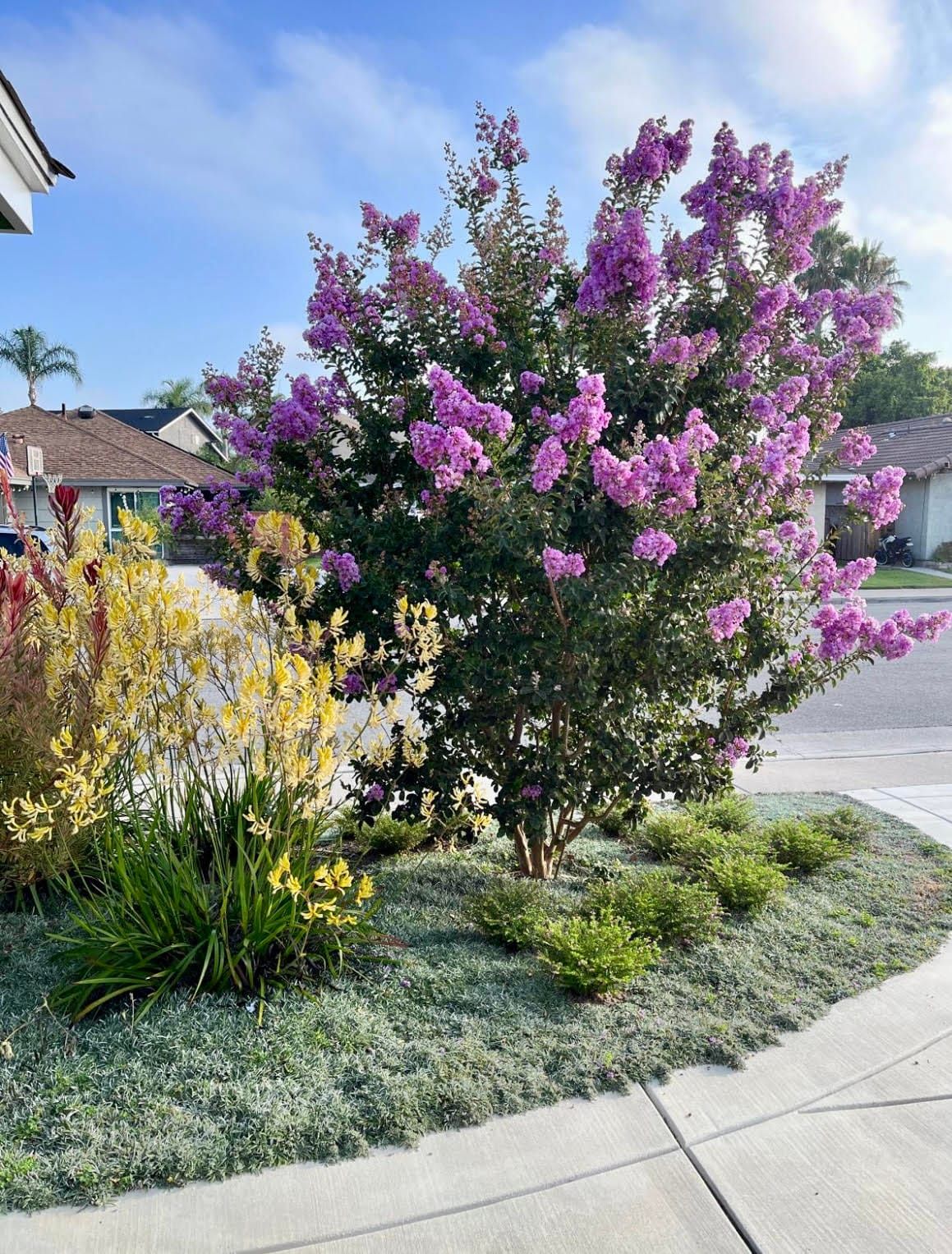
"The right tree can transform a garden. The wrong tree can become a very expensive mistake."
There's something irresistible about planting a tree. Perhaps it's the promise of spring blossoms, a shady spot on a hot summer afternoon, or the idea of watching something grow and mature over the years.
But before you fall in love with that beautiful tree at the nursery, I encourage every homeowner to consider three things.
1. Size Matters. Especially in 20 Years.
That adorable little tree standing two meters tall at the nursery may eventually reach 15 meters, with branches spreading across half your garden.
Trees grow. Some outgrow their place in the garden.
Before planting, research the tree's mature height and canopy spread. Consider how close it will be to your house, terrace, pathways, and neighboring properties. Don't forget what's happening underground. Roots need room to grow, too. A tree planted near sewage or drainage pipes can eventually lead to costly repairs, and eventually the loss of your tree.
One of the most common mistakes I see in residential gardens is planting trees too close to buildings or squeezing large-growing species into small spaces.
My advice: Design for the tree it will become, not the tree you're bringing home.
2. Right Tree, Right Place
Just because a tree looks spectacular in a photograph doesn't mean it will thrive in your garden.
Climate, sunlight, soil, drainage, and wind exposure all influence whether a tree will flourish or struggle.
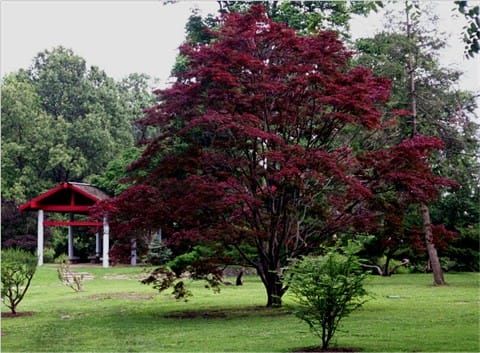
A Japanese maple might look magnificent in a sheltered garden with suitable soil, but if you place it in an exposed, windy location, you may spend more time worrying about it than enjoying it.
Before choosing a tree, understand your growing conditions. Is your garden sunny or shaded? Is your soil sandy, clay, or rocky? Does water drain freely, or does it collect after heavy rain?
And don't forget your local climate and hardiness zone.
My advice: Work with nature rather than trying to convince a tree to live somewhere it doesn't belong.
3. Give Your Tree a Purpose
Every tree should earn its place in the garden.
Are you planting it for shade, privacy, spring flowers, autumn color, or wildlife? Or perhaps you want a beautiful focal point that draws the eye across the landscape.
Your answer should influence both the type of tree you choose and where you plant it.
For example, a deciduous tree can provide welcome shade in summer while allowing more sunlight through in winter. An evergreen may offer year-round screening but could also block a beautiful view.
Think about how the tree will influence your garden throughout the seasons, not just how it looks on planting day.
My advice: Don't plant a tree simply because you love it. Plant it because it belongs in your garden.
From Inspiration to Reality
Today, we have wonderful tools for exploring garden ideas. AI can generate beautiful images of landscapes filled with magnificent trees, and there's nothing wrong with dreaming a little.
But an inspirational image is only the beginning.
Before deciding, I like to turn those ideas into a practical garden layout. With Flourish Garden, you can create your garden space, explore plants and their growing requirements, position trees, and visualize your design in 2D and 3D.
It's an opportunity to experiment before you pick up a shovel.
Of course, no design tool replaces understanding your local growing conditions or researching the tree you're considering.
A Final Thought
Planting a tree is one of the most rewarding things you can do in a garden. You're creating something that may outlive you, providing beauty, shade, and habitat for generations.
So, choose carefully, give it room to grow, and plant with purpose.
And remember, moving a garden chair is easy. Moving a 20-year-old oak tree? Not so much.
Plan it. Plant it. Patience.
What's the best tree you've planted in your garden? Or perhaps there's one you wish you'd thought twice about? I'd love to hear your story.